
Understanding Wheel Offset and Backspacing for the Perfect Fit
Getting the right wheels for your vehicle goes beyond choosing a style that looks great. Wheel offset and backspacing are two crucial factors that affect how your wheels sit on your vehicle and can impact handling, safety, and appearance. At BB Wheels, we want to make understanding these terms easy, so you can select wheels that not only look fantastic but also fit and perform perfectly.
What is Wheel Offset?
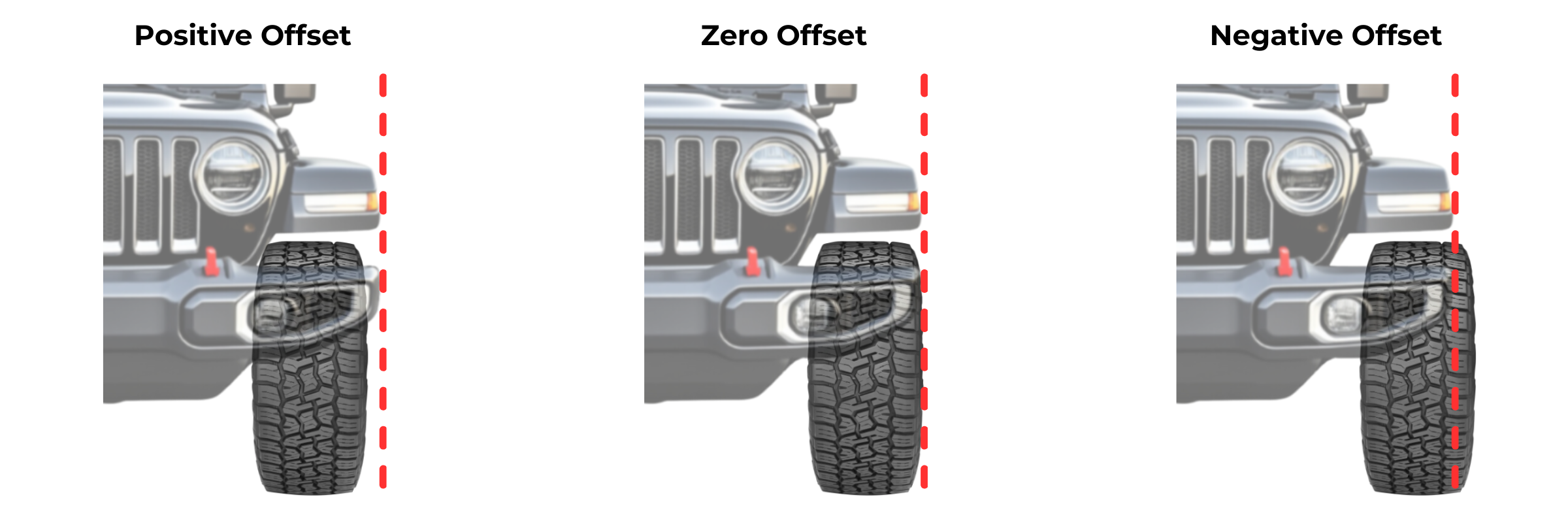
Wheel offset refers to the distance between the wheel’s centerline and the mounting surface, or the area where the wheel attaches to the hub. It’s measured in millimeters and helps determine how far the wheel will sit inside or outside of the wheel well. Offset can be classified as:
Zero Offset: The mounting surface is perfectly in line with the wheel's centerline.
Positive Offset: The mounting surface is closer to the outer (street-facing) side of the wheel. This type of offset pushes the wheel further inside the wheel well, making it common for front-wheel-drive cars and vehicles with narrow wheel wells.
Negative Offset: Here, the mounting surface is closer to the inner side (toward the vehicle). Negative offset results in the wheel extending further out from the vehicle’s body, giving a wider and more aggressive stance, often seen in trucks and off-road vehicles.
What is Wheel Backspacing?
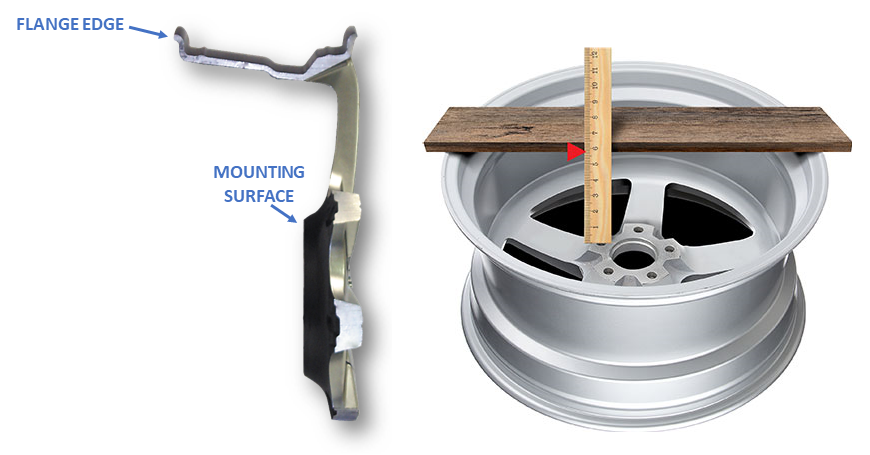
Backspacing measures the distance from the mounting surface to the back edge of the wheel. It helps determine how far a wheel sits inward or outward in relation to your vehicle’s suspension and wheel well. Backspacing, just like offset, impacts fitment and clearance—too much backspacing can cause the wheel to sit too far inward, potentially interfering with suspension components, while too little can cause the wheel to stick out.
Offset vs. Backspacing: What’s the Difference?
While both offset and backspacing influence where a wheel sits in the wheel well, they aren’t the same. Here’s how they differ:
Offset: Measured from the wheel’s centerline to the mounting surface. Offset is positive, negative, or zero.
Backspacing: Measured from the mounting surface to the wheel’s back edge.
Think of offset as the distance from the wheel’s centerline, while backspacing is the distance from its back edge. They work together to create a perfect fit, ensuring the wheel sits properly on your vehicle.
How to Measure Wheel Backspacing
Getting an accurate backspacing measurement is straightforward. Here’s a step-by-step guide:
Lay the Wheel Flat: Place the wheel face down on a flat, stable surface.
Use a Straight Edge: Place a straight edge (like a ruler) across the wheel’s back edge.
Measure: Use a tape measure to determine the distance from the straight edge to the wheel’s mounting surface.
Why Wheel Offset and Backspacing Matter
Choosing the correct offset and backspacing is essential for several reasons:
Fitment: Proper offset and backspacing ensure there’s enough clearance between the wheel and critical components like brakes, suspension, and the wheel well. Incorrect fitment can lead to rubbing, reduced handling, and even damage to vehicle components.
Handling and Performance: A well-fitted wheel optimizes your vehicle’s handling. Wheels that sit too far in or out can make the vehicle feel unstable and affect its turning performance.
Appearance: The right combination of offset and backspacing helps you achieve a look that’s either sleek and low-profile or rugged and aggressive, depending on your style.
Choosing the Right Offset and Backspacing for Your Vehicle
Your vehicle type plays a significant role in determining the best offset and backspacing for your wheels. Here are some general tips:
Trucks and SUVs: Often, a lower backspacing and negative offset provide a more aggressive look and allow for larger, wider tires that sit further out.
Sports Cars and Sedans: These vehicles typically benefit from a higher offset for a streamlined, tucked-in look that enhances aerodynamics.
Remember, the correct offset and backspacing can vary depending on whether you’re aiming for a stock fit or a custom setup. If you’re not sure which measurements work best, our team at BB Wheels can help you find the ideal wheels for your specific vehicle.
Need help with offset and backspacing? Contact BB Wheels to find wheels that fit your vehicle perfectly!
Frequently Asked Questions
- What happens if my wheel offset is too high or too low?
- An incorrect offset can lead to handling issues, rubbing against suspension components, or even tire wear. High offset (pushing wheels inward) may cause interference with brakes or suspension, while low offset (pushing wheels outward) can strain wheel bearings and impact turning.
- How do I know the correct backspacing for my car?
- The ideal backspacing depends on your vehicle's specifications and your wheel size. Trucks often have lower backspacing to fit larger wheels, while most sedans and cars require higher backspacing. Consult your vehicle manual or contact our team for guidance.
- Can I adjust offset with spacers?
- Yes, spacers can adjust offset by pushing the wheel further out. However, be cautious with spacer thickness as it can affect handling and place extra stress on your vehicle’s suspension.
Contact Us for Expert Help
If you still have questions about wheel offset and backspacing or need help choosing the right fitment, our team at BB Wheels is here to help. Reach out to us at 320-333-2155 to find wheels that meet your vehicle’s specifications and fit your style.