

Do Wheels Affect EV Range? Understanding Weight, Aero Design, and Rolling Resistance
Posted by BB Wheels on 2nd Dec 2025
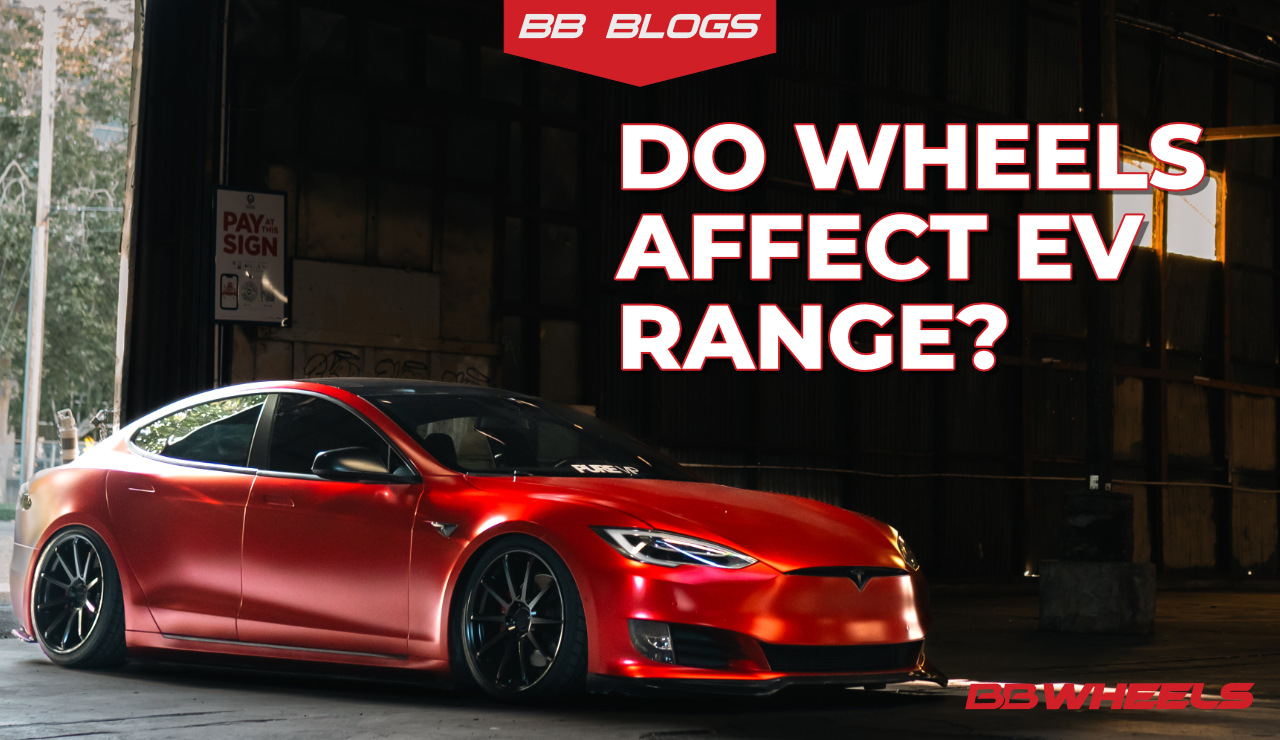
Do Wheels Affect EV Range? Understanding Weight, Aero Design, and Rolling Resistance
Electric vehicles are more efficient, more responsive, and more technologically advanced than ever, but they’re also more sensitive to small changes in weight, drag, and friction. That’s why something as simple as upgrading your wheels can noticeably change how far an EV can travel on a full charge. For drivers who care about range—whether for daily commuting or longer trips—understanding how wheels affect efficiency is essential.
Three major factors determine how much your wheel and tire setup influences EV performance: weight, aerodynamics, and rolling resistance. These concepts have always mattered, but EVs amplify the effects. Even modest changes in wheel construction, size, or tire choice can translate into real gains or losses in range, acceleration, and overall driving feel.
At BB Wheels, we help EV owners choose wheels and tires that look great without sacrificing efficiency. With a wide selection of lightweight wheel designs and EV-friendly tire options, our team can help you upgrade your style confidently while keeping your range where you want it.
Why Wheels Have a Bigger Impact on EV Range Than Gas Vehicles
Both gas-powered vehicles and EVs are affected by wheel and tire choices, but EVs feel the changes more. That’s because they rely entirely on stored battery energy and tend to be heavier due to their battery packs. Any increase in resistance or energy demand shows up as fewer miles per charge.
Your wheel and tire setup influences three key areas:
- Rotational energy: How much force it takes to start and keep your wheels spinning.
- Aerodynamic drag: How smoothly air flows around and through the wheel openings.
- Rolling resistance: How much friction the tires generate as they roll along the road.
Because EVs are heavier and often deliver instant torque, they demand more from wheels and tires. A small increase in wheel weight or a more aggressive tire can require noticeably more energy to accelerate and maintain speed. That’s why many factory EV setups use relatively lightweight alloys, modest wheel sizes, and efficient aero designs.
Wheel Weight: How Extra Pounds Reduce Range
Wheel weight matters on any vehicle, but it’s especially important on EVs because it affects unsprung mass and rotational mass. A heavier wheel takes more energy to get moving, more energy to stop, and more energy to keep spinning at speed.
Different wheel constructions can vary significantly in weight:
- Cast aluminum wheels: The most common and budget-friendly option, but typically the heaviest of the performance-oriented choices.
- Flow-formed wheels: Offer a strong balance of weight, strength, and cost, making them a smart upgrade for EVs.
- Forged wheels: Premium wheels that are usually the lightest and strongest, ideal for maximizing efficiency and performance.
A difference of just a few pounds per wheel might not sound huge, but on an EV, that additional rotational mass can translate into a measurable reduction in range—especially in stop-and-go traffic where you’re constantly accelerating and decelerating.
Bottom line: Lighter wheels help your EV use less energy every time you pull away from a stop and every time you climb back up to highway speed, which supports better real-world range.
Aero Wheel Design: Why Smooth Wheels Go Farther
At higher speeds, aerodynamics play as big a role as weight. The wheel area is one of the most aerodynamically turbulent parts of a vehicle. Air passing over the front bumper and sides gets pulled and disrupted by the openings and spokes of the spinning wheels.
This is why many EV manufacturers use smooth, partially covered, or aero-style wheels from the factory. These designs are meant to:
- Smooth airflow over and around the wheel openings.
- Reduce drag coefficient (Cd), especially at highway speeds.
- Improve range by cutting down on unnecessary aerodynamic losses.
Aftermarket wheels with simpler spoke patterns, contoured faces, or optional aero caps can help preserve some of these benefits. On the other hand, extremely open or deep-dish designs may look aggressive but can increase drag and slightly reduce efficiency.
Bottom line: The smoother and more aero-conscious your wheel design, the easier it is for your EV to slip through the air and maintain range on the highway.
Tire Rolling Resistance: The Silent Range Killer
Your wheels are only half the story. The tires mounted on them have a powerful influence on EV efficiency through something called rolling resistance—the amount of energy required to keep a tire rolling under load.
Rolling resistance increases when:
- The tread pattern is aggressive and blocky (like many mud-terrain or off-road tires).
- The rubber compound is soft and geared toward maximum grip.
- The tires are wider than necessary for the vehicle’s use.
- Tire pressure is too low, causing more flex and heat buildup.
Many EVs come from the factory on low rolling resistance (LRR) tires designed to reduce friction while still providing safe traction and reasonable braking distances. Swapping to more performance-oriented, wider, or off-road-focused tires can give you better grip and appearance—but usually at the cost of some range.
Bottom line: If you want to maintain maximum range, choose tires with efficient tread designs and compounds, and keep them properly inflated.
How Larger Wheels Affect EV Efficiency
Larger wheel diameters—moving from 18" to 20", 21", or 22"—are popular because they fill out wheel wells and sharpen the look of modern EVs. But they come with tradeoffs that matter more on battery-powered vehicles.
Bigger wheels often mean:
- Heavier overall setup: More metal, more weight.
- Shorter sidewalls: Less flexible tire sidewalls can increase rolling resistance and harshness.
- Different tire construction: Performance or low-profile tires may prioritize grip and response over efficiency.
While upsizing one or two inches in diameter might only cost a small amount of range, jumping to very large wheels can make a bigger dent—especially when combined with heavier construction and more aggressive tires.
Bottom line: Larger wheels look great, but if range is a high priority, keep your wheel size reasonable and pay close attention to weight and tire choice.
Are Aftermarket Wheels Bad for EV Range? Not If You Choose Carefully
There’s a common belief that upgrading to aftermarket wheels will automatically ruin EV range. The truth is more nuanced. Aftermarket wheels can be either better or worse for efficiency depending on how they’re designed and built.
You can protect your range by focusing on:
- Weight: Prioritize lighter options, especially flow-formed or forged constructions when possible.
- Aero design: Choose styles that aren’t overly open or deep-dish if efficiency matters.
- Size: Avoid unnecessary upsizing; don’t go larger just for looks if you’re range-conscious.
- Tires: Pair your wheels with tires that have reasonable rolling resistance and proper load ratings.
Bottom line: Aftermarket wheels don’t have to be a range penalty. Smart choices can preserve efficiency while giving your EV a custom, modern look.
What Types of Wheels Work Best on Electric Vehicles?
Not all wheel technologies are created equal when it comes to EV range. Here’s how the major options compare:
Flow-Formed Wheels
Flow-formed wheels start as cast wheels that are then spun and compressed to improve their strength and reduce thickness in key areas. This process often delivers:
- Lower weight compared to standard cast wheels.
- Improved strength for daily use, spirited driving, and rough roads.
- Great value—a strong balance between performance and price.
For many EV owners, flow-formed wheels are one of the best all-around choices for maintaining range while upgrading style.
Forged Wheels
Forged wheels are manufactured from a solid piece of material that’s pressed into shape under high pressure. They are usually the lightest and strongest wheel option on the market.
- Maximum strength-to-weight ratio: Excellent for performance and efficiency.
- Ideal for demanding drivers: Great for those who want the best possible wheel technology.
These are premium upgrades, but for performance-focused EV builds, forged wheels can deliver improved response and efficiency.
Aero-Style Wheels
Aero-style wheels use smoother, more closed designs or optional aero caps to improve airflow. They’re especially beneficial for drivers who spend a lot of time at highway speeds.
- Reduced drag: Helps the vehicle cut through the air more efficiently.
- Better highway range: Small differences in drag add up over long commutes or road trips.
Cast Aluminum Wheels
Cast aluminum wheels remain a popular option for style and affordability. They can still work well on EVs, but:
- They are typically heavier than flow-formed or forged options.
- Weight can vary widely from model to model.
If you choose cast wheels for your EV, pay close attention to published weights and avoid unnecessary upsizing.
Choosing EV-Friendly Tires to Match Your Wheel Upgrade
Your tires will make or break the overall efficiency of your wheel setup. When choosing tires for your EV, consider the following:
- Rolling resistance: Look for tires designed with efficiency in mind if range is a priority.
- Noise: EVs are quieter, so tire noise is more noticeable. Touring or EV-specific tires often prioritize a quiet ride.
- Load index: EVs are heavier than many comparable gas vehicles, so make sure your tires are rated for the correct load.
- Width: Wider tires can improve grip but usually increase rolling resistance and reduce range.
Bottom line: The right tire can support your wheel upgrade and help your EV deliver a comfortable, quiet, and efficient driving experience.
How BB Wheels Helps You Choose the Right Setup for Your EV
Upgrading your EV’s wheels doesn’t have to mean sacrificing the range you rely on. At BB Wheels, our team understands how wheel weight, design, and tire choice all work together on electric vehicles.
When you shop with us, you get:
- A wide selection of lightweight wheel options, including flow-formed and performance-oriented designs.
- Styles that balance aero-conscious design with custom looks.
- A full range of tires suitable for EVs, including efficient all-season and touring options.
- Fitment expertise to help you choose the right sizing, offsets, and load ratings for your specific EV.
Whether your goal is maximum range, a sharper look, or a mix of both, our automotive enthusiasts are here to point you in the right direction.
Ready to upgrade your EV without sacrificing range? Your next wheel and tire setup starts at BB Wheels.
Need help choosing the right wheels and tires for your electric vehicle? Call 320-333-2155 to speak with our team of automotive enthusiasts today.